Bobcat OR Grizzly: Brawl on the Wild Side Learn More...
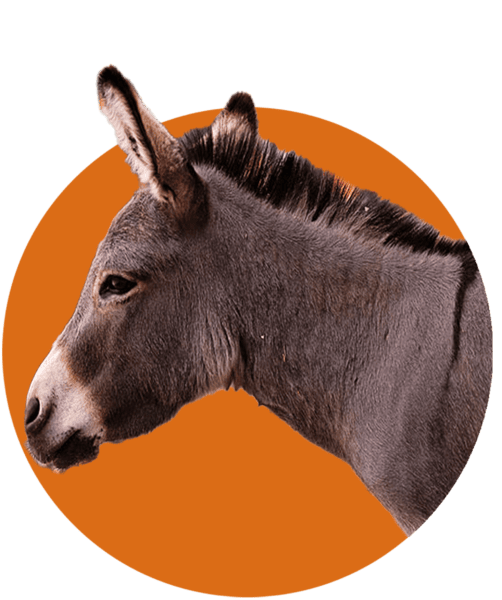
Miniature donkeys originated from the Mediterranean islands of Sicily and Sardinia and were first brough to the U.S. in 1929. They were domesticated for their milk, strength, and compassion. Unlike many other miniature breeds, miniature donkeys are not bred-down versions of a larger donkey.
That being said, miniature donkeys do look like a typical donkey! The eyes on the side of their head provide them two fields of vision, and their large, independently moving ears help them with thermoregulation, and their flat teeth help them grind up vegetation. Their coloration can be gray, black, brown, reddish, and white or cream — it’s not uncommon to see a mix.
Donkeys have earned the reputation of being stubborn due to their observant and cautious behavior and will refuse to do anything that appears threatening.
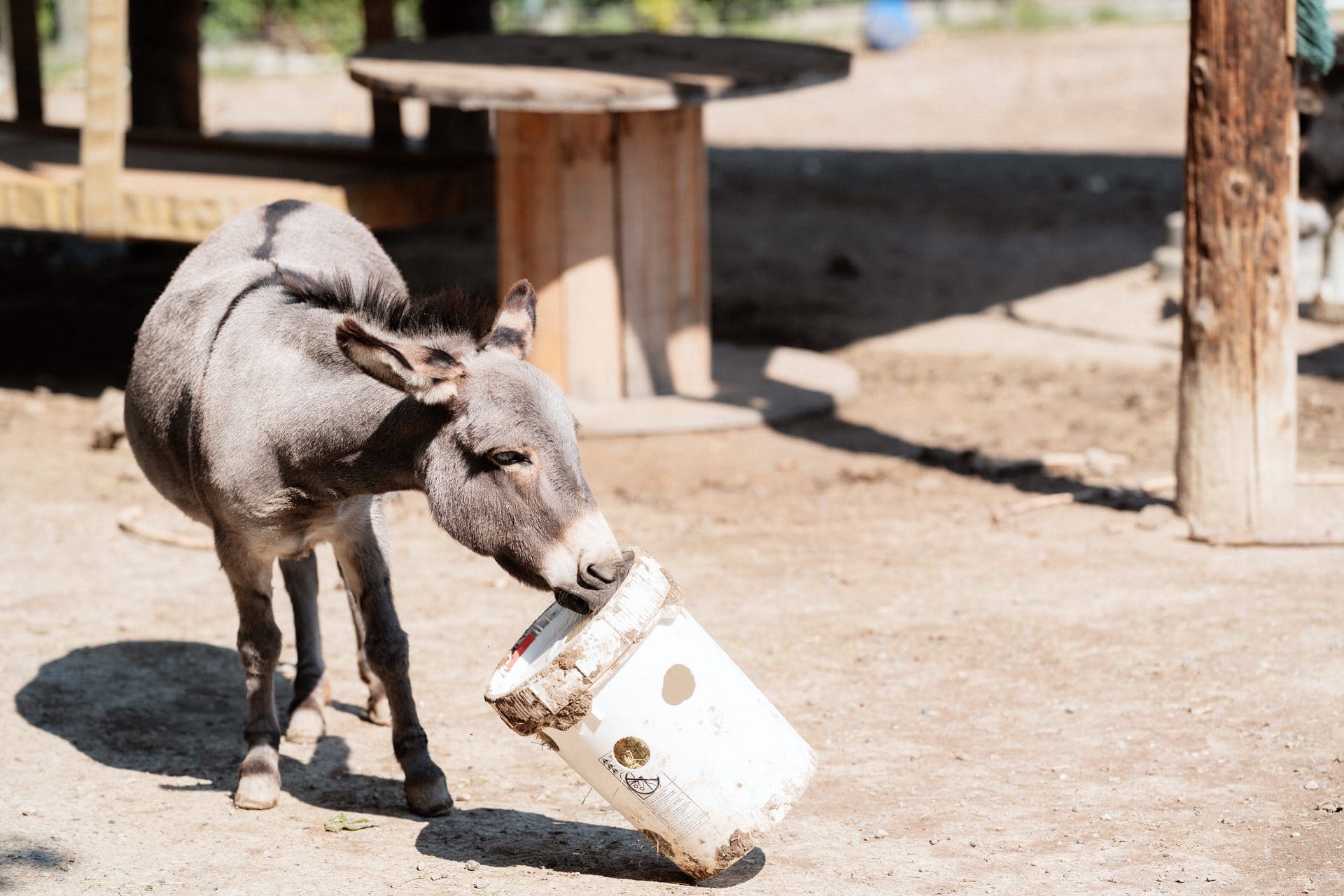
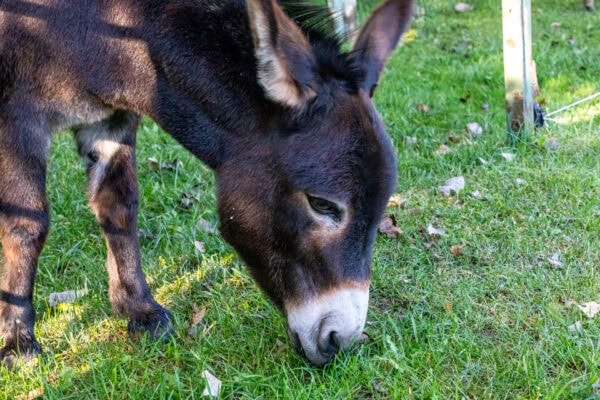
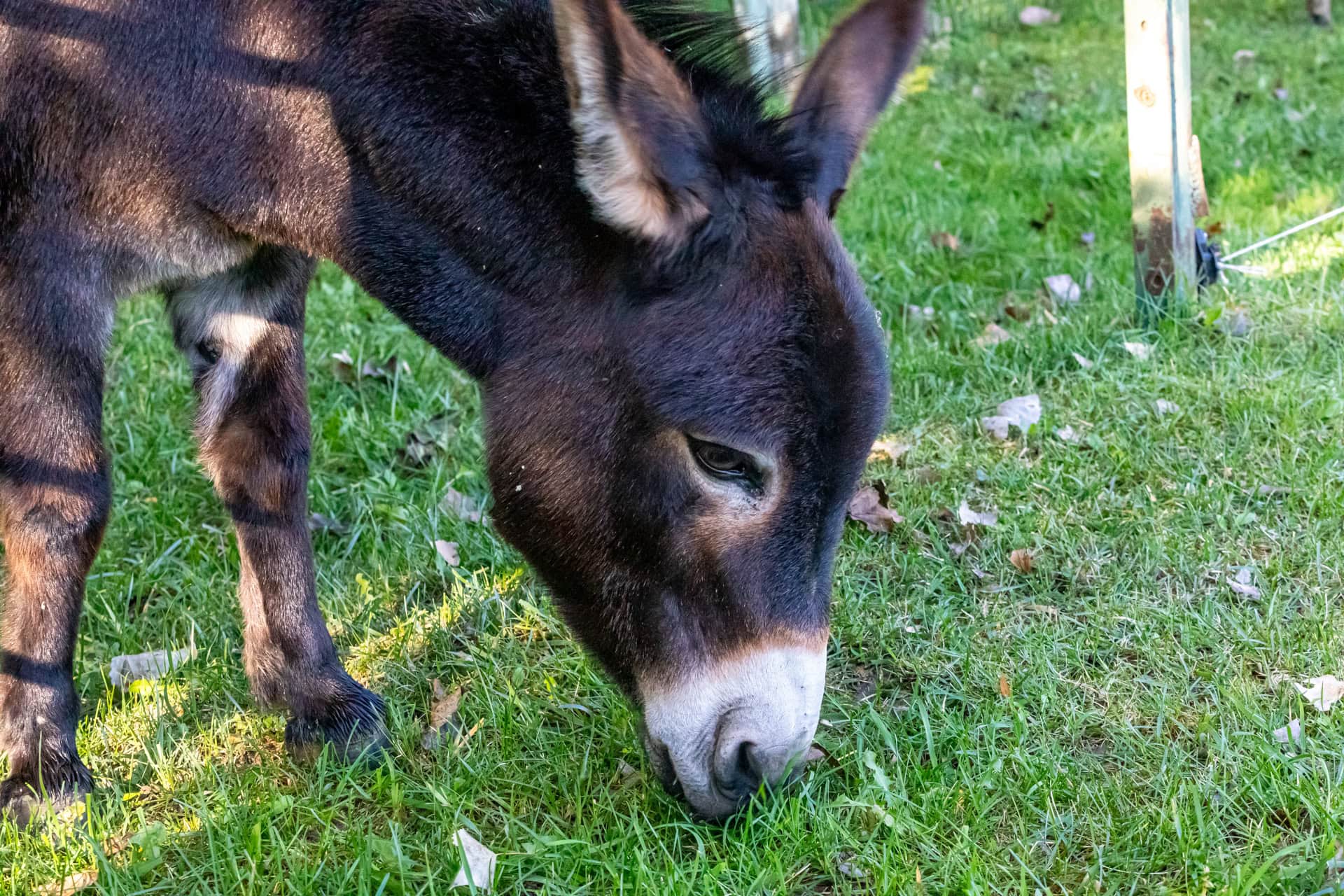
Lucy came to the Zoo in the spring of 2020 with Ethel from a private ranch. Lucy is the easiest of the donkeys to tell apart due to her dark brown color.
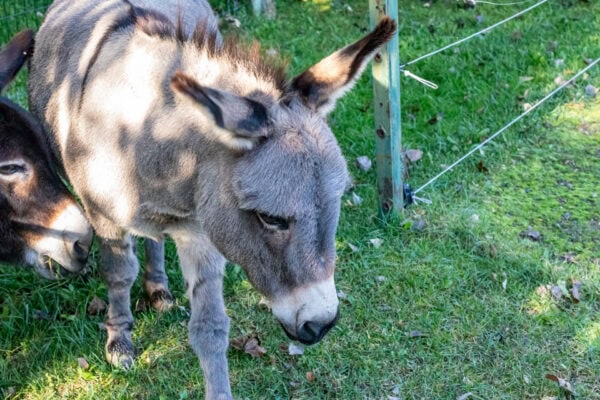
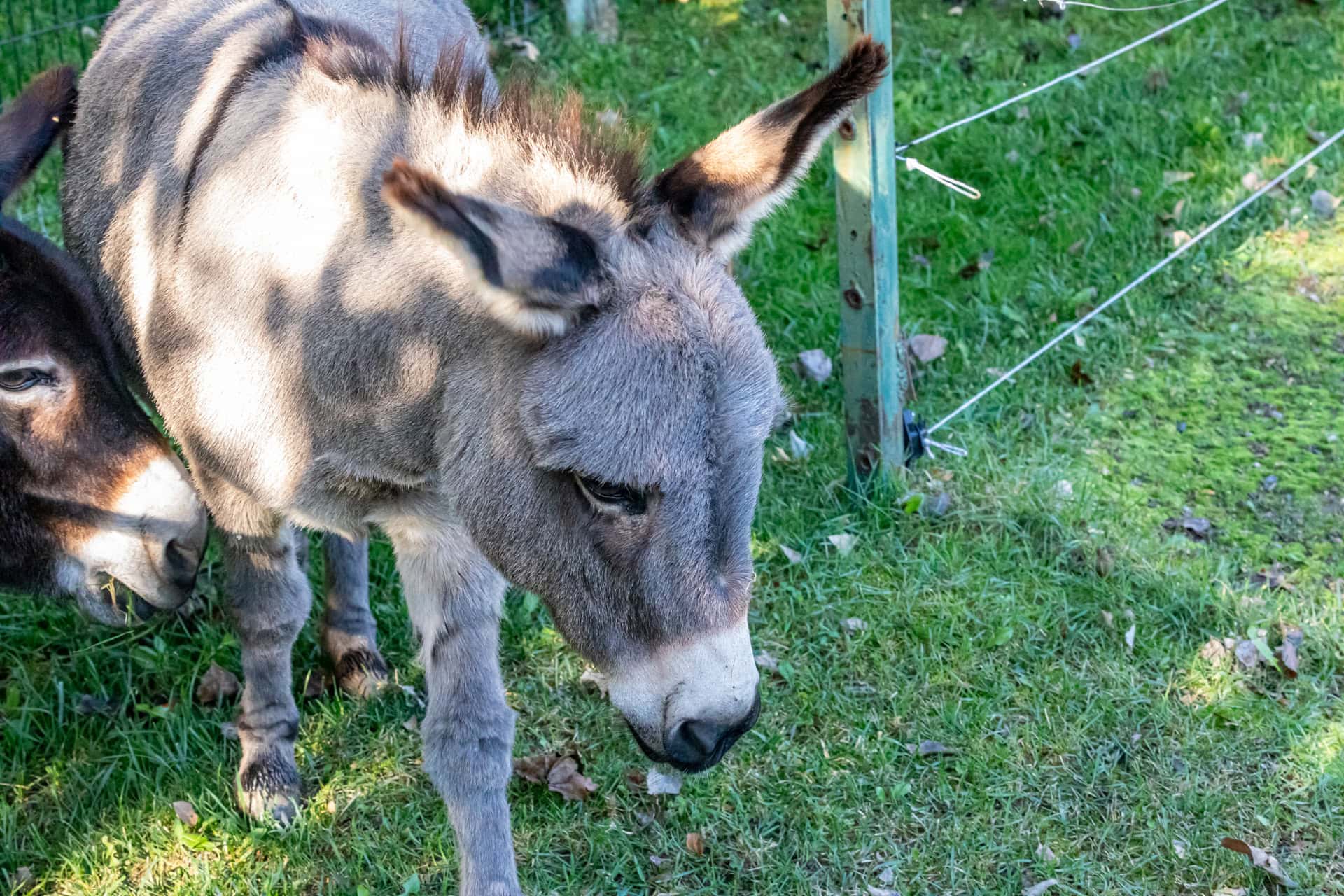
Ethel is one of our grey dun donkeys who came to the Zoo in the spring of 2020 with Lucy from a private ranch. Ethel surprised the Zoo when she had her daughter Phe as the zoo didn’t know she was pregnant when she arrived. Ethel is a bit smaller than her daughter.
Phe is the other grey dun donkey who was born here at ZooMontana on June 6, 2020, to her mother Ethel. She was a surprise at the zoo when she was born, and we are so happy to have her. Phe is slightly larger than her mom Ethel and has a small white patch on her face.
10:00am to 2:00pm

Guests are permitted to stay on grounds one hour after closing.
*Open every day except Thanksgiving, Christmas, and New Year's Day. Inclement weather and special events may also alter operational hours.