

Conservation
Caring For Today, Protecting TOmorrow
Conservation is at the heart of everything we do at ZooMontana. From everyday actions to innovative habitat features, we take meaningful steps to care for wildlife, reduce our impact, and inspire our community to do the same.
CONSERVATION AT THE ZOO

Recycling
ZooMontana is dedicated to sustainability through widespread recycling initiatives. Our largest annual initiative asks the community to donate live Christmas trees at the end of the holiday season. Donated trees are placed in habitats as enrichment that animals can explore, climb, shred, or eat. Presenting our residents with novel objects to explore is essential for supporting their mental well-being. Alternatively, donated trees may be recycled into mulch and spread on our grounds in order to maintain nature paths and garden areas for visitors to enjoy.
Another notable initiative at ZooMontana is electronics recycling through Eco-Cell. An essential component for rechargeable batteries like those found in cell phones, tablets, cameras, and smart watches is lithium. Using a method called brine extraction, high-capacity mining operations use approximately 500,000 gallons of water to extract each ton of lithium. This disturbs fragile ecosystems and depletes local water sources both for wildlife and human locals. Degradation of essential habitat puts species like gorillas, flamingos, and hairy armadillos at risk. Recycling electronics with lithium components helps slow the demand for lithium mining and the creation of new mines.
Another notable initiative at ZooMontana is electronics recycling through Eco-Cell. An essential component for rechargeable batteries like those found in cell phones, tablets, cameras, and smart watches is lithium. Using a method called brine extraction, high-capacity mining operations use approximately 500,000 gallons of water to extract each ton of lithium. This disturbs fragile ecosystems and depletes local water sources both for wildlife and human locals. Degradation of essential habitat puts species like gorillas, flamingos, and hairy armadillos at risk. Recycling electronics with lithium components helps slow the demand for lithium mining and the creation of new mines.

Quarters For Conservation
Quarters for Conservation is an initiative that enables ZooMontana to financially support field conservation efforts both locally and globally. Each month, the Zoo chooses a new conservation organization to spotlight, and any purchase made at the Zoo can be rounded up to the nearest quarter to donate to that organization. Although the scope, location, and size of these organizations vary, each is profoundly dedicated to conservation and takes direct action to protect specific species and habitats. To learn about the current month’s recipient of Quarters for Conservation donations, inquire at our front desk.
Foster Waterfowl Refuge
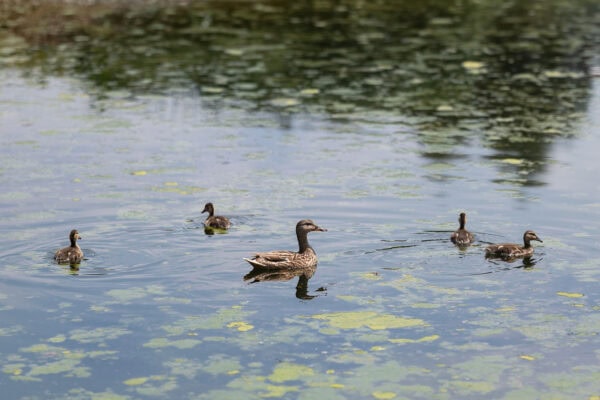
A unique feature even among other accredited zoological facilities in the United States, the Foster Waterfowl Refuge is a multi-sensory, immersive wetland habitat feature designed to act as a natural fly-through rest area for migrating waterfowl. It includes three connected ponds, an underwater fish viewing station, boardwalks, and a raised observation deck. The entire area is landscaped with a carefully selected arrangement of over 1,200 native plants and trees. This feature was designed in partnership with Ducks Unlimited not only to create quality urban wetland habitat, but also to educate zoo visitors on the ecological importance of wetland ecosystems. Educational kiosks located throughout the refuge describe species that may make use of the area, the ecological importance of wetlands, and how visitors can pledge to do more to help conserve and protect the landscape's resources.
CONSERVATION BEHIND THE ZOO
Behind the scenes, we participate in important species programs, conduct biological surveys, and support science and education that make a lasting impact for wildlife.
Species Survival Plan (SSP)
At ZooMontana, many of the animals you meet are part of the Association of Zoos and Aquariums’ (AZA) Species Survival Plan® (SSP) Programs. These programs are cooperative efforts among AZA-related facilities and are designed to ensure healthy, sustainable animal populations for the future.
Each SSP focuses on one species and is guided by experts from AZA’s collaborative network of wildlife professionals. These teams review the needs of each species, identify which animals require coordinated management, and develop detailed breeding and transfer plans that outline recommended pairings and moves between facilities. The goal is to maintain genetically diverse, demographically stable, and biologically healthy populations under human care.
Today, nearly 300 SSP Programs exist across North America. Every program maintains thorough population records and works closely with participating Zoos to meet long-term conservation and welfare goals. By taking part in SSPs, ZooMontana joins a community-wide commitment to responsible animal management and the future of wildlife everywhere.
Biological Surveys
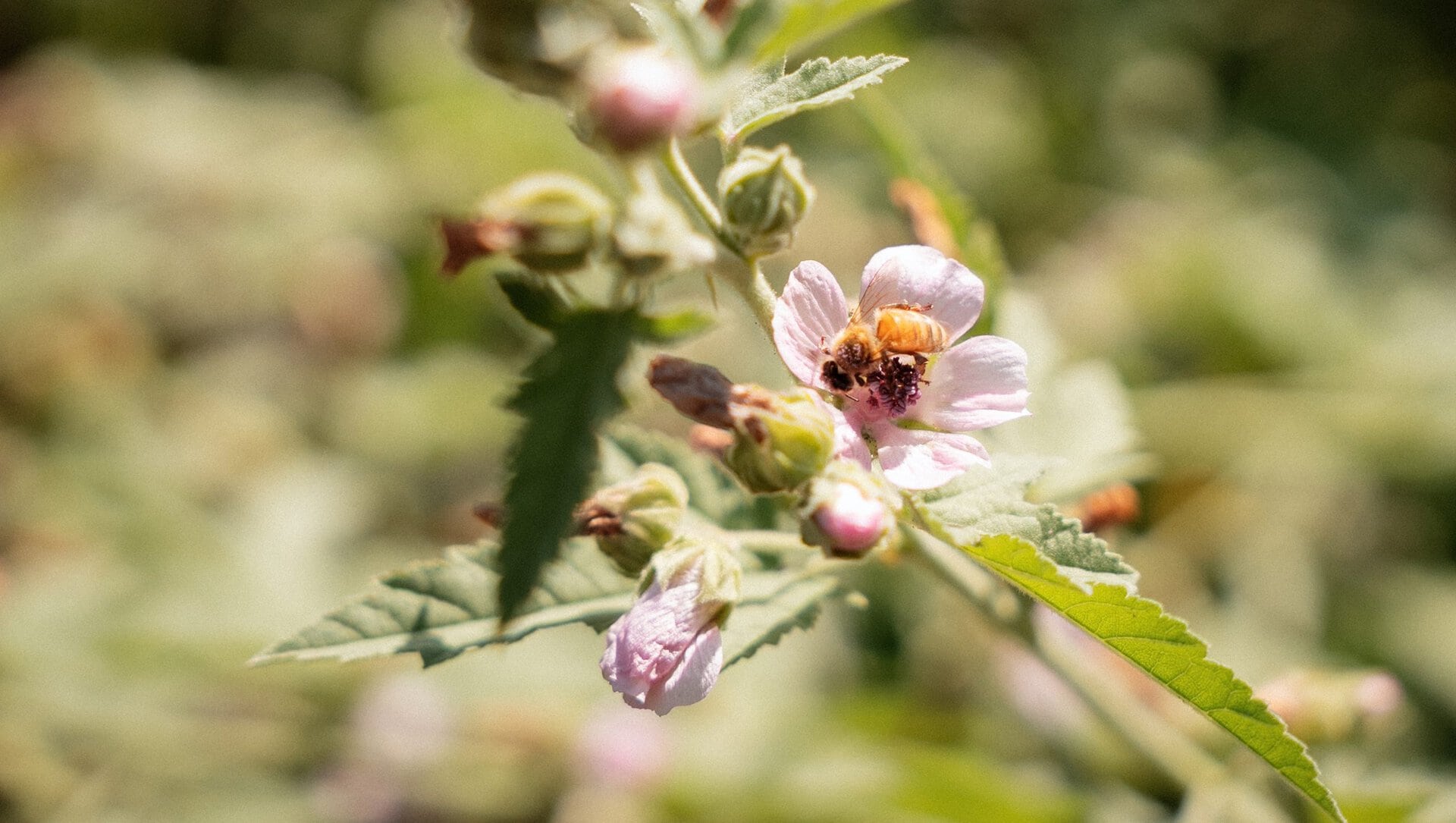
ZooMontana’s 70 acres hosts more than just the animals directly in our care. Surrounding Canyon Creek, our grounds are a rich riparian ecosystem that a myriad of native species call home. In partnership with organizations like the Xerces Society for Invertebrate Conservation and the Montana Moth Project, ZooMontana staff and volunteers conduct wildlife surveys on our grounds to understand and document the diversity of our local ecosystem. Collecting data on species like bumble bees and moths contributes to large scale efforts to track invasive species, identify species in jeopardy, and inform state-wide wildlife management. Data collected at the local level can even be compiled into national databases to track species distribution and populations trends across the continent.
SAFE: Saving Animals From Extinction
A unique feature even among other accredited zoological facilities in the United States, the Foster Waterfowl Refuge is a multi-sensory, immersive wetland habitat feature designed to act as a natural fly-through rest area for migrating waterfowl. It includes three connected ponds, an underwater fish viewing station, boardwalks, and a raised observation deck. The entire area is landscaped with a carefully selected arrangement of over 1,200 native plants and trees. This feature was designed in partnership with Ducks Unlimited not only to create quality urban wetland habitat, but also to educate zoo visitors on the ecological importance of wetland ecosystems. Educational kiosks located throughout the refuge describe species that may make use of the area, the ecological importance of wetlands, and how visitors can pledge to do more to help conserve and protect the landscape's resources.
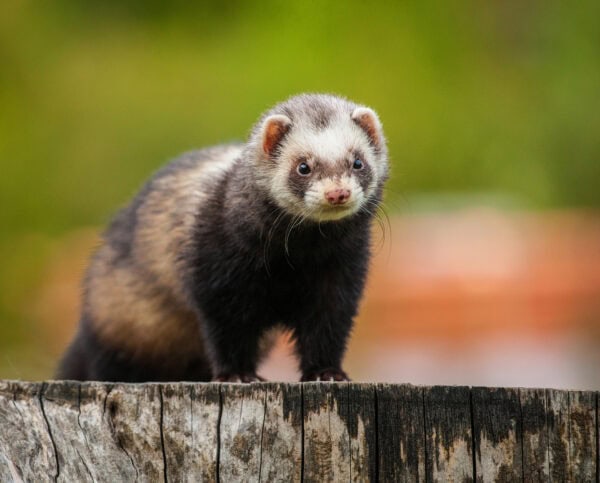
Black-Footed Ferret
Black-footed ferrets are considered one of the most endangered mammals in North America. Fortunately, their populations are steadily increasing thanks to the coordinated efforts of government agencies, nonprofit organizations, tribal entities, and private landowners. Carefully implemented programs to captive breed, reintroduce, monitor, and vaccinate wild colonies have increased the number of wild black-footed ferrets from zero before 1991 to over 300 today across 30 reintroduction sites.
ZooMontana supports SAFE Black-Footed Ferret (SAFE BFF) by assisting in spotlighting operations to monitor and vaccinate ferrets on the Fort Belknap Reservation. These types of operations are crucial for ensuring the success and long-term survival of reintroduced populations. ZooMontana also supports SAFE BFF through our resident black-footed ferret, Poblano. Poblano is a retired participant of the captive breeding program at the National Black-Footed Ferret Conservation Center. At the zoo, Poblano acts as an educational ambassador to help educate guests about his species.
ZooMontana supports SAFE Black-Footed Ferret (SAFE BFF) by assisting in spotlighting operations to monitor and vaccinate ferrets on the Fort Belknap Reservation. These types of operations are crucial for ensuring the success and long-term survival of reintroduced populations. ZooMontana also supports SAFE BFF through our resident black-footed ferret, Poblano. Poblano is a retired participant of the captive breeding program at the National Black-Footed Ferret Conservation Center. At the zoo, Poblano acts as an educational ambassador to help educate guests about his species.
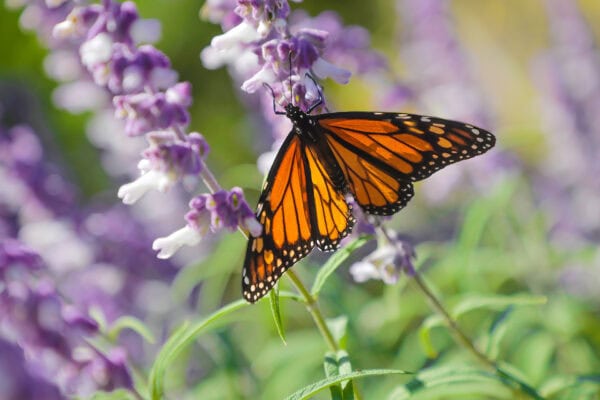
North American Monarch
Since the 1990’s, monarch butterflies have declined by more than 80%. The main culprits of this decline are habitat loss and pesticide use, which decrease milkweed abundance. Although adults are nectar generalists with a flexible diet, larvae feed exclusively on milkweed and cannot survive to adulthood without it. Since it takes several generations of monarchs to complete a full migration cycle each year, it’s imperative that milkweed be available along their entire route. A lack of milkweed along their route can disrupt breeding and prevent continuing generations from reaching safe overwintering sites.
ZooMontana supports SAFE North American Monarch by creating monarch “waystations” on grounds. These are areas within our gardens marked with signage that include patches of milkweed where passing monarchs can safely lay eggs without risk of pesticide contamination. The monarch populations that pass through ZooMontana make their migration journey to and from overwintering sites in the mountain oyamel fir forests of Mexico each year; a journey of approximately 1,800 miles each way.
ZooMontana supports SAFE North American Monarch by creating monarch “waystations” on grounds. These are areas within our gardens marked with signage that include patches of milkweed where passing monarchs can safely lay eggs without risk of pesticide contamination. The monarch populations that pass through ZooMontana make their migration journey to and from overwintering sites in the mountain oyamel fir forests of Mexico each year; a journey of approximately 1,800 miles each way.
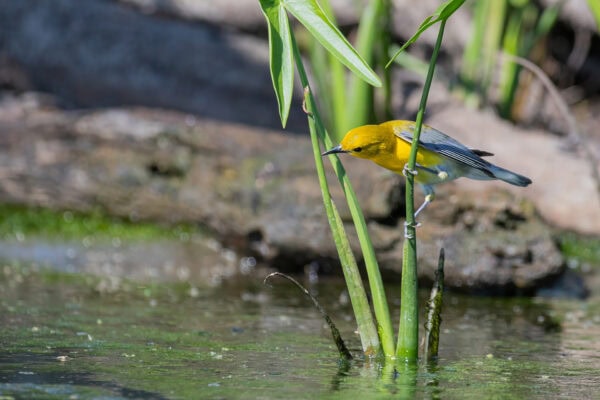
North American Songbirds
Of the 6,552 species of songbirds that exist globally, over half of them occur in North America. North American songbirds face a myriad of threats including collisions with buildings, predation by roaming domestic cats and loss of habitat at both breeding and overwintering sites. More than one third of all birds species in the U.S. are of high or moderate conservation concern.
ZooMontana supports SAFE North American Songbirds (SAFE NAS) by creating and maintaining high-quality, pesticide-free habitat. The native plants included in our gardens are carefully chosen with consideration for their food and nesting value to songbirds and other local wildlife. These gardens, in combination with the already biologically rich riparian ecosystem surrounding Canyon Creek, create exceptional songbird habitat that can be observed and enjoyed by zoo visitors year-round.
ZooMontana supports SAFE North American Songbirds (SAFE NAS) by creating and maintaining high-quality, pesticide-free habitat. The native plants included in our gardens are carefully chosen with consideration for their food and nesting value to songbirds and other local wildlife. These gardens, in combination with the already biologically rich riparian ecosystem surrounding Canyon Creek, create exceptional songbird habitat that can be observed and enjoyed by zoo visitors year-round.
CONSERVATION Beyond the Zoo
ZooMontana is proud to partner with local field-based organizations to make tangible impacts conserving wildlife and habitats in Montana and beyond. Fostering strong relationships with these organizations helps us determine how best we can support them and their mission; whether that be through fundraising, joint educational events, volunteer support, or other direct contributions.
Working Dogs for Conservation
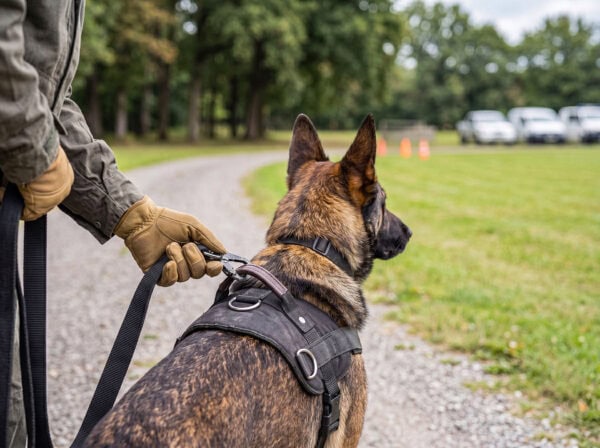
Whether it’s law enforcement, biosecurity, ecological monitoring, environmental contaminants monitoring, or environmental justice, WD4C has been a trailblazer and leader in the conservation dog field. From detecting and monitoring low-density cryptic species like snow leopards and wolverines, to the world’s first wire-snare detection dogs, WD4C has led the development of techniques for difficult targets like noxious weeds, cavity-roosting bats, fish, and wildlife diseases. They are also at the forefront of the fight against wildlife trafficking, training dogs to detect ammunition, guns, ivory, rhino horn, pangolin scales, and more.
In order to train these exceptional canines to perform scent detection work in the field, scent samples from target species such as bedding material or scat is needed to practice with at their training facility in Missoula, MT. For years, ZooMontana has been proud to support WD4C with the provision of scent samples from our animal residents; most prominently the otters and mink. Data collected from studying these species informs habitat restoration efforts and conservation policymaking while identifying the presence of contaminants in order to improve wetland and riverine habitats.
In order to train these exceptional canines to perform scent detection work in the field, scent samples from target species such as bedding material or scat is needed to practice with at their training facility in Missoula, MT. For years, ZooMontana has been proud to support WD4C with the provision of scent samples from our animal residents; most prominently the otters and mink. Data collected from studying these species informs habitat restoration efforts and conservation policymaking while identifying the presence of contaminants in order to improve wetland and riverine habitats.

American Prairie
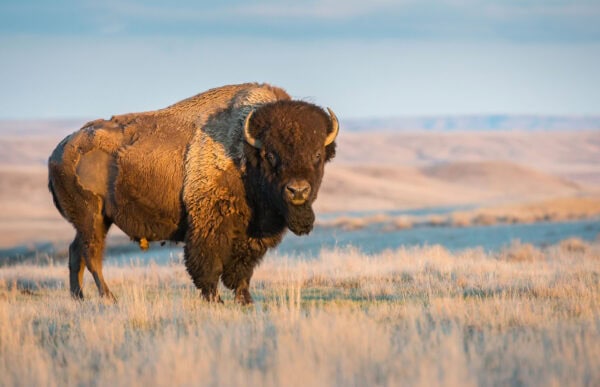
Working in a widely connected network of private and public land across northeastern Montana, American Prairie is dedicated to the restoration of Montana’s native shortgrass prairie ecosystem through adaptive land management and native wildlife conservation. Some of their ongoing environmental projects include bison reintroduction, wetland restoration, habitat connectivity, prescribed fire, and targeted actions for declining species.
Something that ZooMontana is proud to have in common with American Prairie is a dedication to environmental education. Throughout the year, ZooMontana and American Prairie collaborate on various events to educate children and adults alike about the wonders of Montana’s native ecosystems and the animals that live there. Whether it be a Zoo animal ambassador visit to the National Discovery Center in Lewistown or an American Prairie biologist presentation in the zoo amphitheater, both organizations are eager to support each other's educational programs.
Something that ZooMontana is proud to have in common with American Prairie is a dedication to environmental education. Throughout the year, ZooMontana and American Prairie collaborate on various events to educate children and adults alike about the wonders of Montana’s native ecosystems and the animals that live there. Whether it be a Zoo animal ambassador visit to the National Discovery Center in Lewistown or an American Prairie biologist presentation in the zoo amphitheater, both organizations are eager to support each other's educational programs.
Together, we can make a difference
Your support helps protect wildlife, conserve habitats, and inspire the next generation of conservation leaders
Donate Today